

Aspirin Cuts Colon Cancer Risk in 4-Year Study
By wchung | 20 Jun, 2026
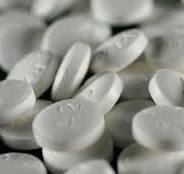
People with a genetic susceptibility to colon cancer could cut their chances of developing the disease in half by taking a daily dose of aspirin, researchers said Monday.
The finding might lead to other treatments by helping researchers understand how aspirin combats colon cancer, one of the top three cancers in rich countries.
European researchers followed more than 1,000 people with Lynch syndrome, a genetic mutation that makes them vulnerable to cancers in the colon, rectum, stomach, brain, liver, womb and elsewhere. The syndrome accounts for about 5 percent of all colon cancers.
About half of the study participants were given aspirin daily, while the other half got placebo pills for about four years.
In the group that got aspirin, six people developed colon cancer, versus 16 in the group that got placebos. “We are delighted,” said John Burn of Newcastle University in Britain, who led the study.
“All the more so because we stopped giving the aspirin after four years, yet the effect is continuing,” he said in a statement.
Burn presented the study results Monday in Berlin at a meeting of the European Cancer Organisation.
Previous studies have found patients who already have colon cancer and are being treated with chemotherapy and surgery may further reduce their risk of dying by up to 30 percent by taking aspirin. The cheap drug is also taken by millions of people worldwide to prevent heart attacks and strokes.
“If this is true, doctors should change how they treat their at-risk patients,” said Alfred Neugut, of Columbia University Medical Center in New York, who has done similar work but was not involved in the European study.
Still, experts said the finding would have no immediate impact on the general public.
“This doesn’t mean that everyone should start taking aspirin if they’re worried about bowel cancer,” said Henry Snowcroft of Cancer Research United Kingdom.
“Aspirin can cause significant side effects if not used as directed by a doctor,” Snowcroft said. Though aspirin has been used widely for years to treat minor aches and to alleviate fevers, it can irritate the stomach and intestines and cause major bleeding.
Scientists are still unsure exactly how aspirin fights cancer. For years, experts thought aspirin slows an enzyme called COX2 that has a role in tumor growth.
Based on his research, where patients did not benefit until several years after taking aspirin, Burn thinks the drug may also affect cancer stem cells. He hypothesized aspirin might speed up the process by which cells destroy themselves if they pick up “genetic spelling mistakes” that could be cancerous. That could result in a protective effect against cancer ever developing.
Other scientists were not convinced that stem cells were involved. “There’s something weird going on here that’s outside of what we normally see,” Neugut said. “Reducing cancer is a wonderful thing, but there is something else going on here that we don’t understand.”
9/21/2009 5:04 AM MARIA CHENG, AP Medical Writer LONDON
© 2026 by Asian Media Group Inc.
Recent Articles
- Italy's Meloni Tells Trump to Focus on His Own Popularity as Row Continues
- Trump Unveils Gifted Qatari 747 As Addition to Air Force One Fleet
- A Warm World Cup Welcome Endears the US to Fans
- China's May Refined Oil Exports Rose from April, Australia Received Agreed Volume
- New Bangladesh Premier to Seek Investments, Jobs in China, Malaysia
- Charles Schwab Working with Cboe to Enter Prediction Market
- Mexico's Love Affair with All Things Korean — Until Thursday's Kickoff
- The Making of a Striking Tiger
- Japan's World Cup Prospects Brighter Than Their Single Group Point Might Suggest
- International Stars in the Red Devils' Lineup Suggests a Deep World Cup Run for S. Korea